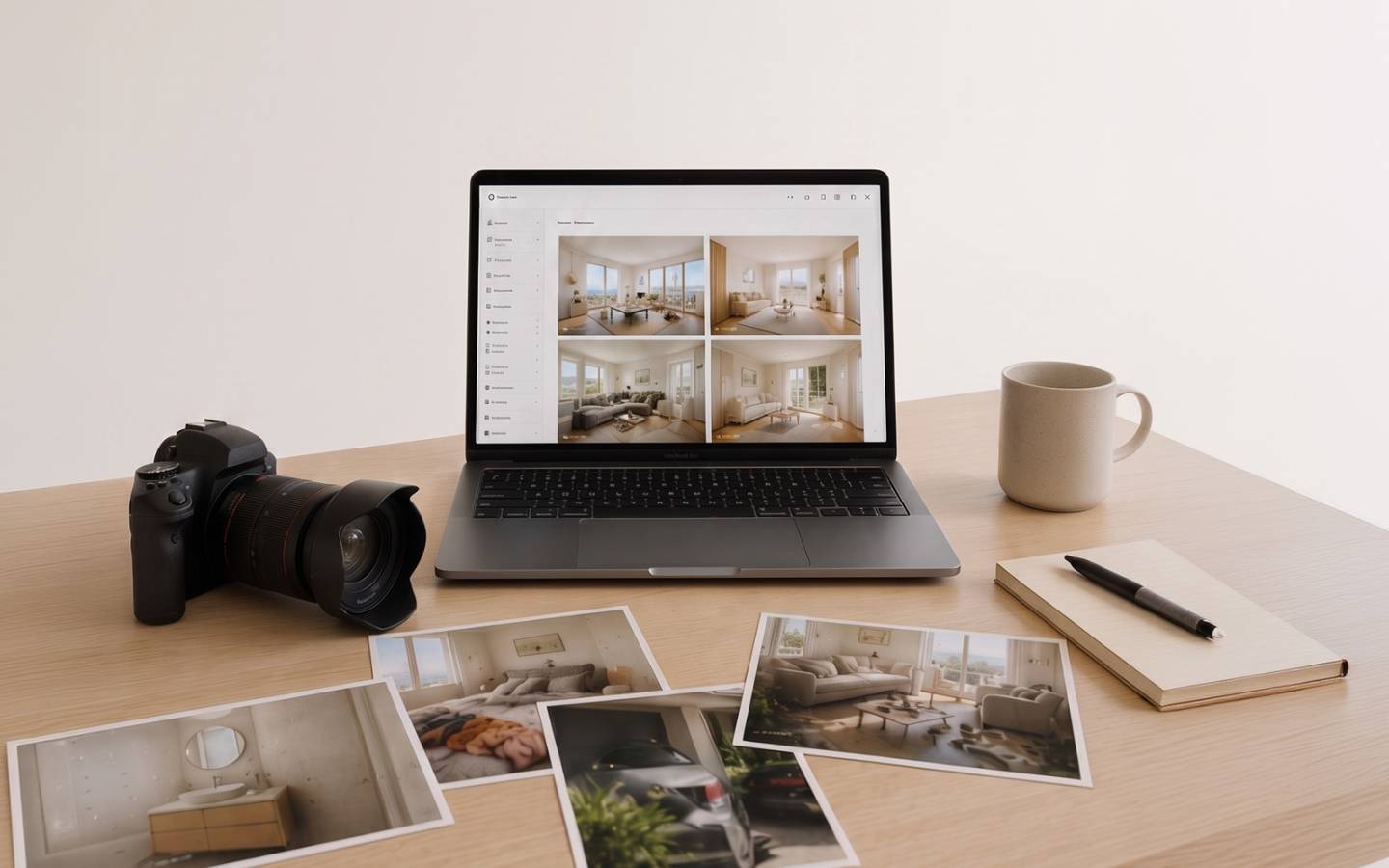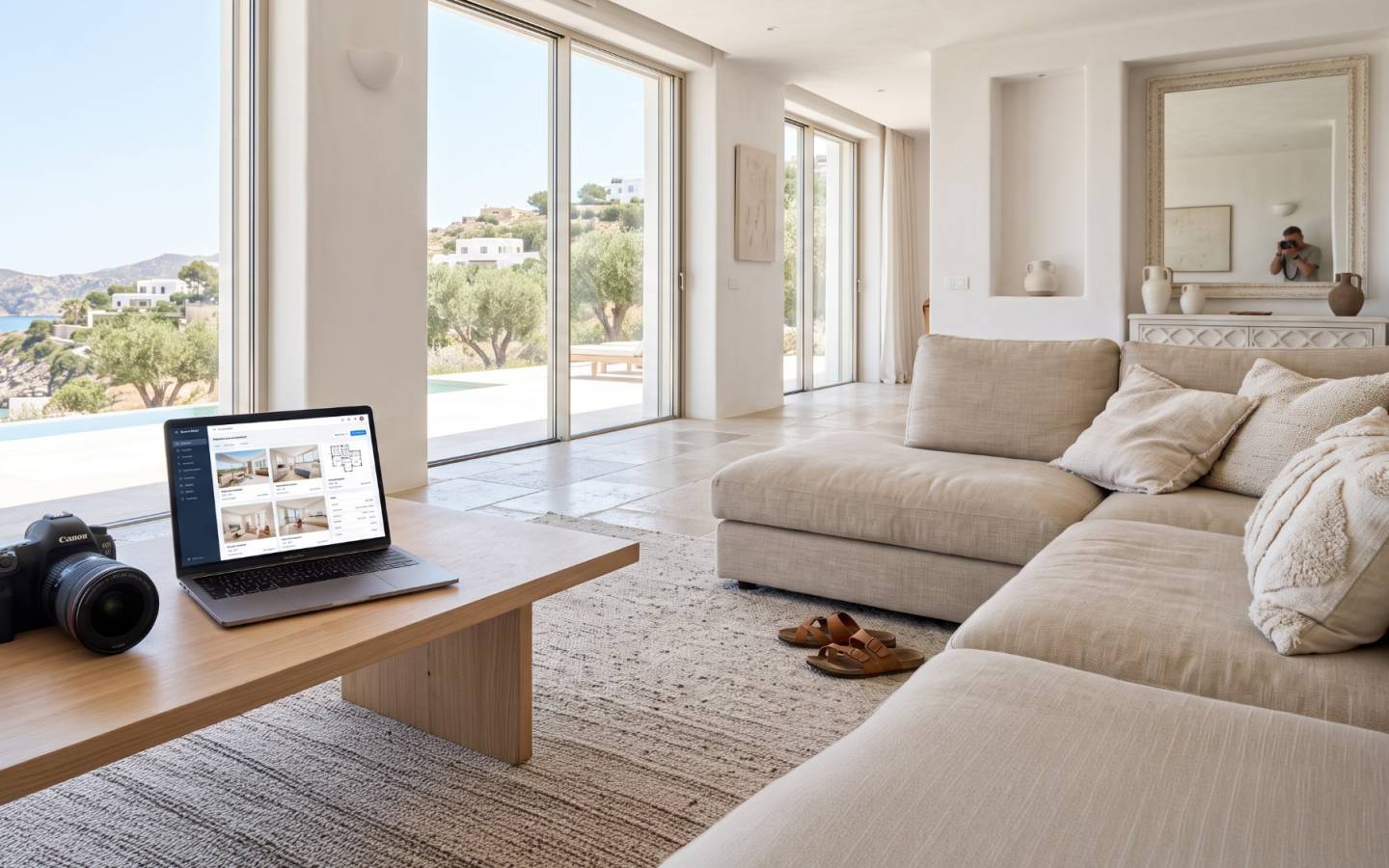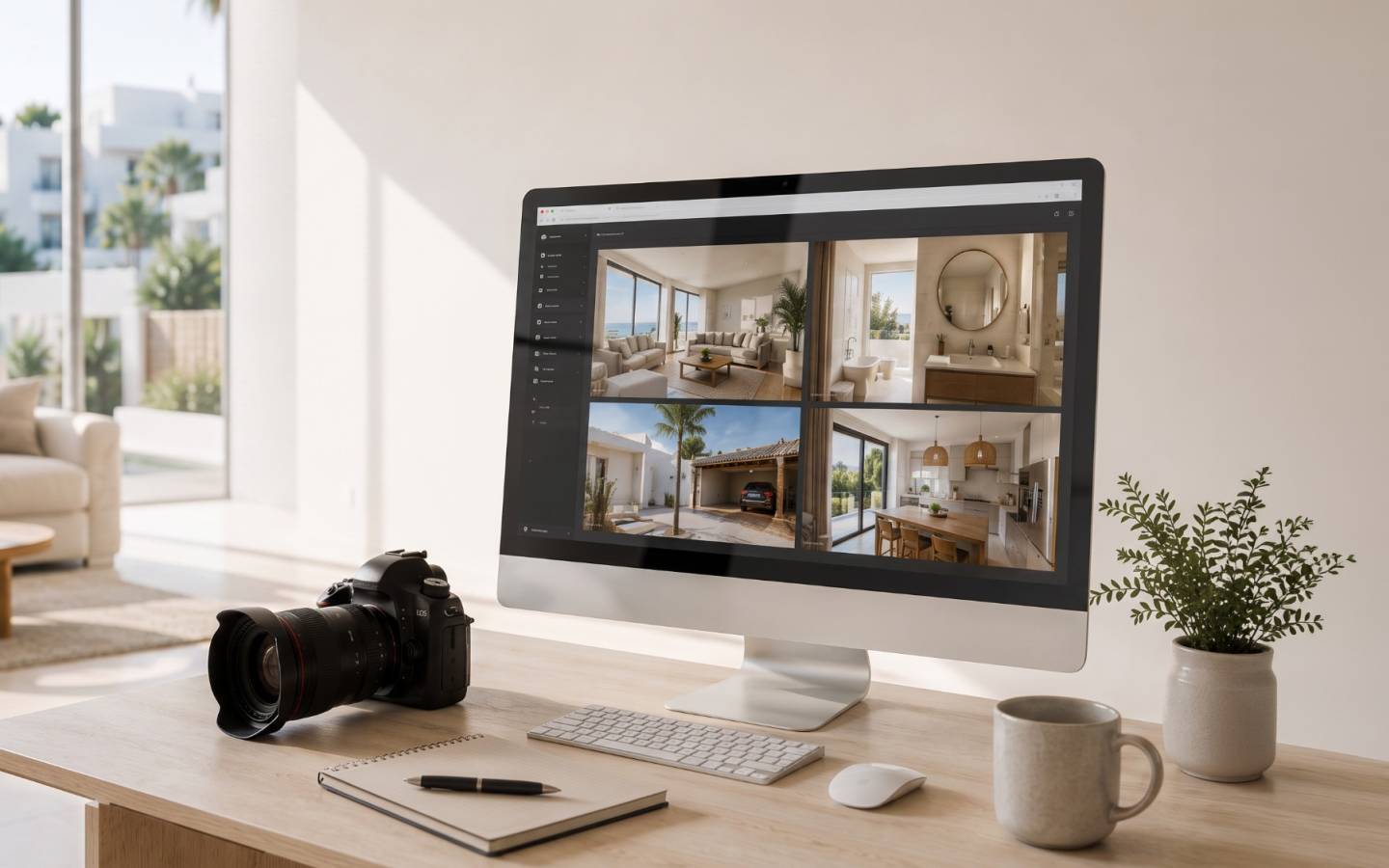
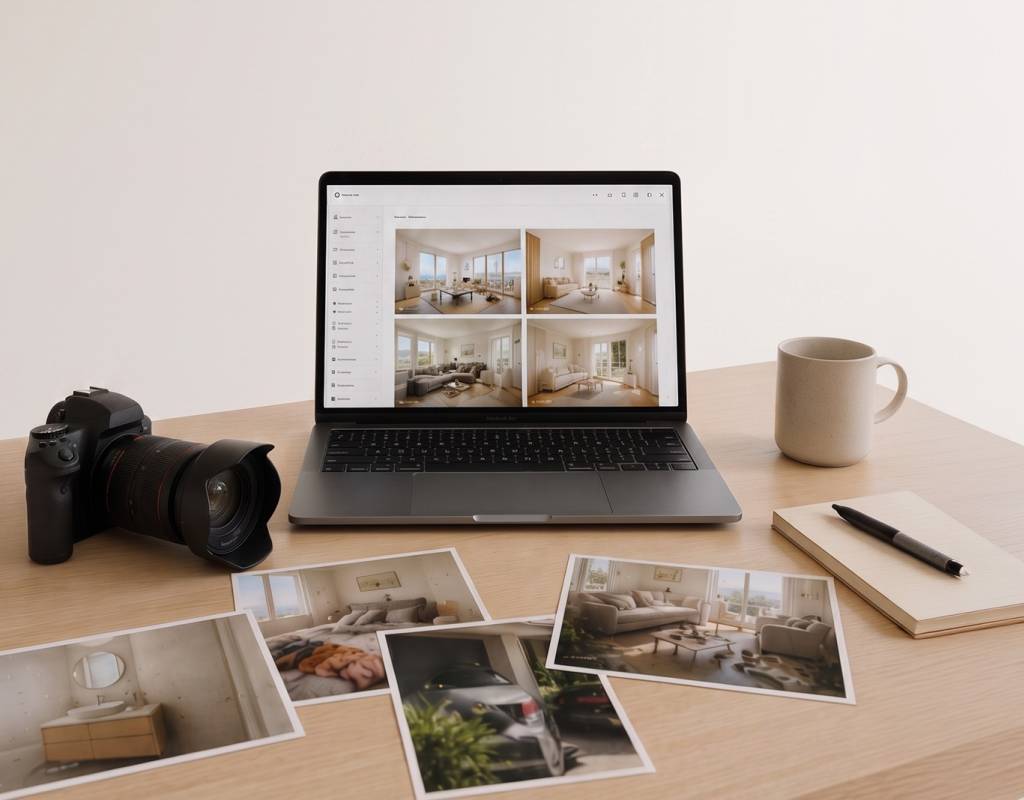
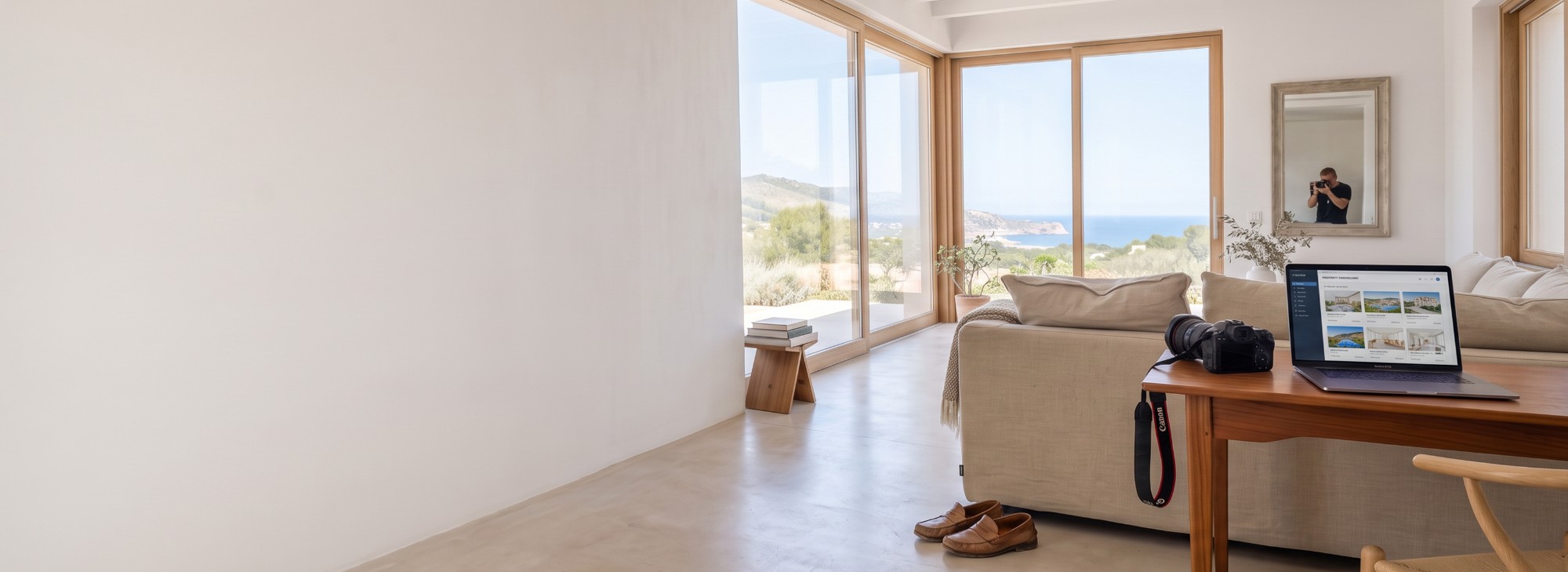

The first impression of a property almost always starts with an image.
Before reading the description, before calling the estate agent and before requesting a viewing, the buyer looks at the photos. Within just a few seconds, they decide whether a property interests them or whether to keep looking.
That is why property photography is not a minor detail. A good image can make a property stand out, convey confidence and generate more enquiries. On the other hand, poorly presented photos can make a property less appealing, even if it has good features, a great location or a competitive price.
For an estate agency, taking care with the visual presentation of properties also means taking care of its own brand image.
Photos sell before the text
A well-written description is important, but photographs are often the buyer's first filter.
When a property is shown as bright, tidy and well presented, the user can better imagine themselves living there. The property appears better maintained, more attractive and easier to view.
On the other hand, if the photos show untidy rooms, personal belongings, strange reflections or poorly prepared spaces, the buyer may lose interest before they have really discovered the property's potential.
Good property photography helps to:
- capture attention on property portals and social media
- enhance the agency's professional image
- generate more interest in the property
- build trust with buyers
- stand out from other similar properties
- increase the chances of receiving enquiries
That is why, before publishing a property, it is worth carefully reviewing the images and avoiding some very common mistakes.
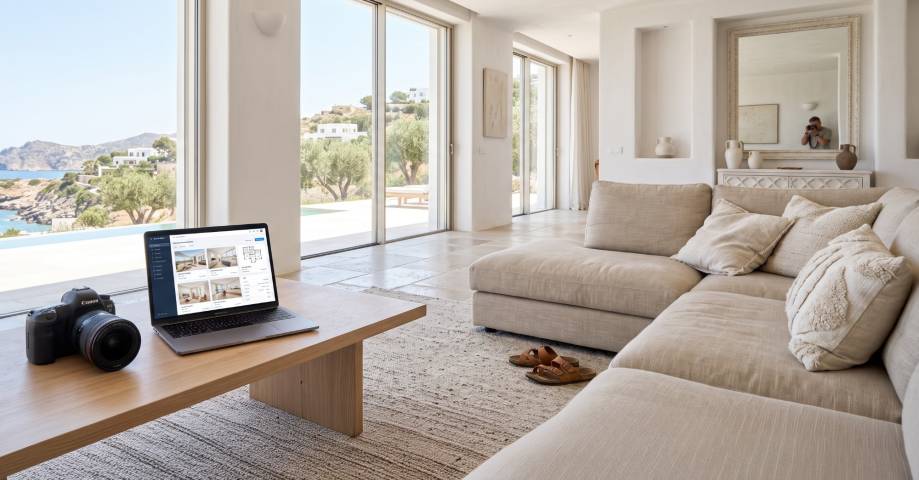
1. Publishing photos with untidy spaces
An untidy property gives an impression of neglect.
Clothes on chairs, toys on the floor, dishes in the kitchen, visible cables, cleaning products or papers on the table can be very distracting for buyers.
The aim of a property photo is for the viewer to focus on the property, not on the objects inside it.
Before taking the photos, it is advisable to check each room and remove anything that does not add value to the image. A tidy space looks larger, cleaner and more pleasant.
There is no need to completely empty the property, but it should be presented in a well-kept manner.
2. Showing unmade beds
An unmade bed can ruin the perception of a bedroom.
Although it may seem like a small detail, it conveys a sense of neglect and makes the room look less appealing.
In property photography, the bedroom should convey calm, cleanliness and comfort. A neatly made bed, with cushions arranged and a simple presentation, can completely change the appearance of the room.
Buyers do not just look at square metres. They also respond to how a property makes them feel.
And a well-prepared room helps make the property feel more welcoming.
3. Leaving personal belongings on display
Property photographs should help buyers imagine the space as their own.
For this reason, it is best to avoid overly personal items: family photographs, documents, names, intimate belongings, clothes, medicines or any element that could identify the owners.
As well as improving the presentation, this is also a matter of privacy.
A property with too many personal belongings can make the buyer feel as though they are entering someone else's home, rather than imagining their future home.
The ideal approach is to create a neutral, well-presented and pleasant image without losing its natural feel.
4. Publishing personal portraits or people in photos
Property photos should focus on the property.
If people, family portraits, reflections of people in mirrors or personal photographs on shelves and walls appear in the images, attention is diverted.
It can also create an unprofessional impression and affect the privacy of owners or tenants.
Before publishing a property, check each image carefully and make sure there are no people, recognisable faces or personal items that should be removed.
The property should always be the main focus.
5. Not checking reflections in mirrors, windows or shiny surfaces
Reflections are one of the most common mistakes in property photography.
Mirrors, shower screens, glass, windows, appliances, glass tables or shiny surfaces can show the photographer, estate agent, owner or objects that should not appear in the image.
These details can give an unpolished impression and distract the viewer.
Before publishing, it is worth enlarging the photo and carefully checking all reflections. Sometimes the mistake is not immediately noticeable, but becomes obvious when the image is displayed at a larger size on a website or property portal.
A quick check can prevent an unprofessional impression.
6. Leaving number plates visible
If a garage, entrance, street or outdoor area with vehicles appears in the photos, it is important to check that number plates are not visible.
Visible number plates can affect privacy and do not add any value to the property.
It is best to avoid including them in the photo or, if they are already visible, blur them before publishing the image.
This detail is particularly important for properties with garages, plots, private entrances or photos taken from outside.
7. Photographing dark or poorly lit rooms
Light completely changes how a property is perceived.
A dark room can appear smaller, colder or less attractive. By contrast, a bright room conveys a sense of space, cleanliness and wellbeing.
Whenever possible, it is better to take photos in natural light, open the blinds, switch on additional lights and avoid times when the property looks dark.
It is also important to avoid excessive filters or exaggerated editing. The photo should improve the presentation while remaining true to reality.
Buyers value attractive images, but they also value honesty.
8. Not paying attention to image composition
A good photo does not depend solely on having a good camera.
The angle, framing and what you choose to show also matter.
Crooked photos, cropped rooms, images taken too close or poorly framed spaces can make a property look less appealing.
Before publishing, check whether the image really helps the viewer understand the room:
- is the space clearly visible?
- is the photo straight?
- does the room look spacious?
- are there any distracting elements?
- does the image convey order and clarity?
Careful composition helps buyers understand the property better and encourages them to keep looking.
9. Uploading too many repeated photos
Showing a property with lots of images can be positive, but not every photo adds the same value.
If a gallery contains too many repeated images, very similar angles or photos that provide little useful information, the user may lose interest.
It is better to select photographs that genuinely help buyers get to know the property: exterior, living room, kitchen, bedrooms, bathrooms, terrace, garden, pool, views, layout and important details.
Quality over quantity.
A well-organised gallery makes it easier to view the property online and improves the buyer's experience.
10. Publishing photos without checking them first
One of the easiest mistakes to avoid is uploading images without carrying out a final review.
Before publishing a property on your website, property portals or social media, it is worth carrying out a quick check:
- there are no personal belongings
- there are no people or portraits
- there are no visible number plates
- the rooms are tidy
- the beds are made
- there are no distracting reflections
- the photos are well lit
- the gallery makes sense
This check can take just a few minutes, but it can greatly improve the presentation of the property.
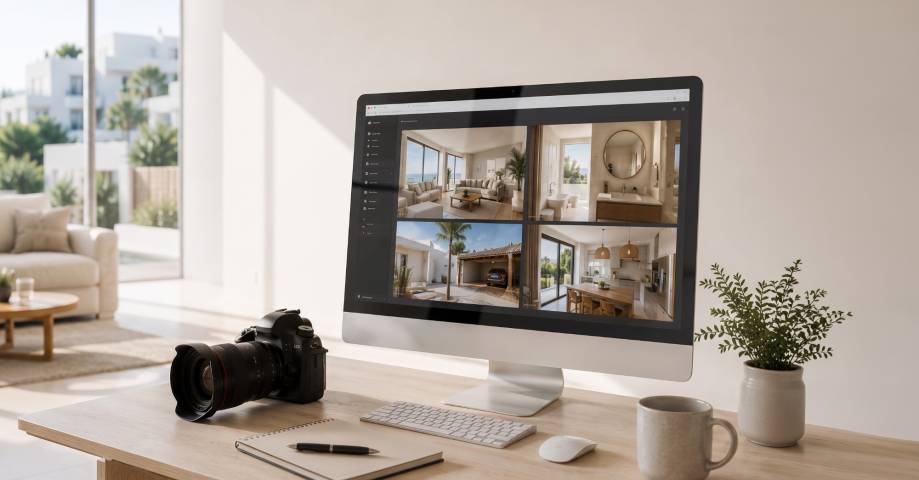
Good presentation builds trust
Buyers do not only value the property. They also value how it is presented to them.
When an agency publishes carefully prepared photos, it conveys professionalism, attention to detail and respect for the property it is marketing.
This also influences property owners. If an agency takes care with the presentation of every property, the owner feels that their home is in good hands.
Property photography is part of an agency's marketing. It is not simply a tool for showing homes, but a way of communicating how you work.
Take care of your photos, take care of your brand
Every property you publish reflects your agency.
A clean, tidy and well-prepared image can make the difference between a user scrolling past and a buyer deciding to request more information.
That is why, before uploading photos to your website, property portals or social media, take a few minutes to review the presentation of the property.
Avoiding reflections, personal belongings, portraits, visible number plates, unmade beds or untidy spaces can help improve the presentation of your properties and strengthen trust in your agency.
In an increasingly visual property market, first impressions matter.
And if good photography can help you sell more effectively, why not get it right from the start?
Image gallery